Can you have a legally binding wedding at a private villa in Italy?
Usually not. Most villas host only a symbolic ceremony, and the legal marriage is signed separately at the town hall. A legally binding civil ceremony on-site is possible only at the few private venues a municipality has authorised.
Here is the part few people mention until the planning is well underway. At most Italian villas, the ceremony under the trees, the vows and the rings carry no legal weight on their own. The marriage the state recognises happens on another day, at a municipal office, in Italian, before a registrar.
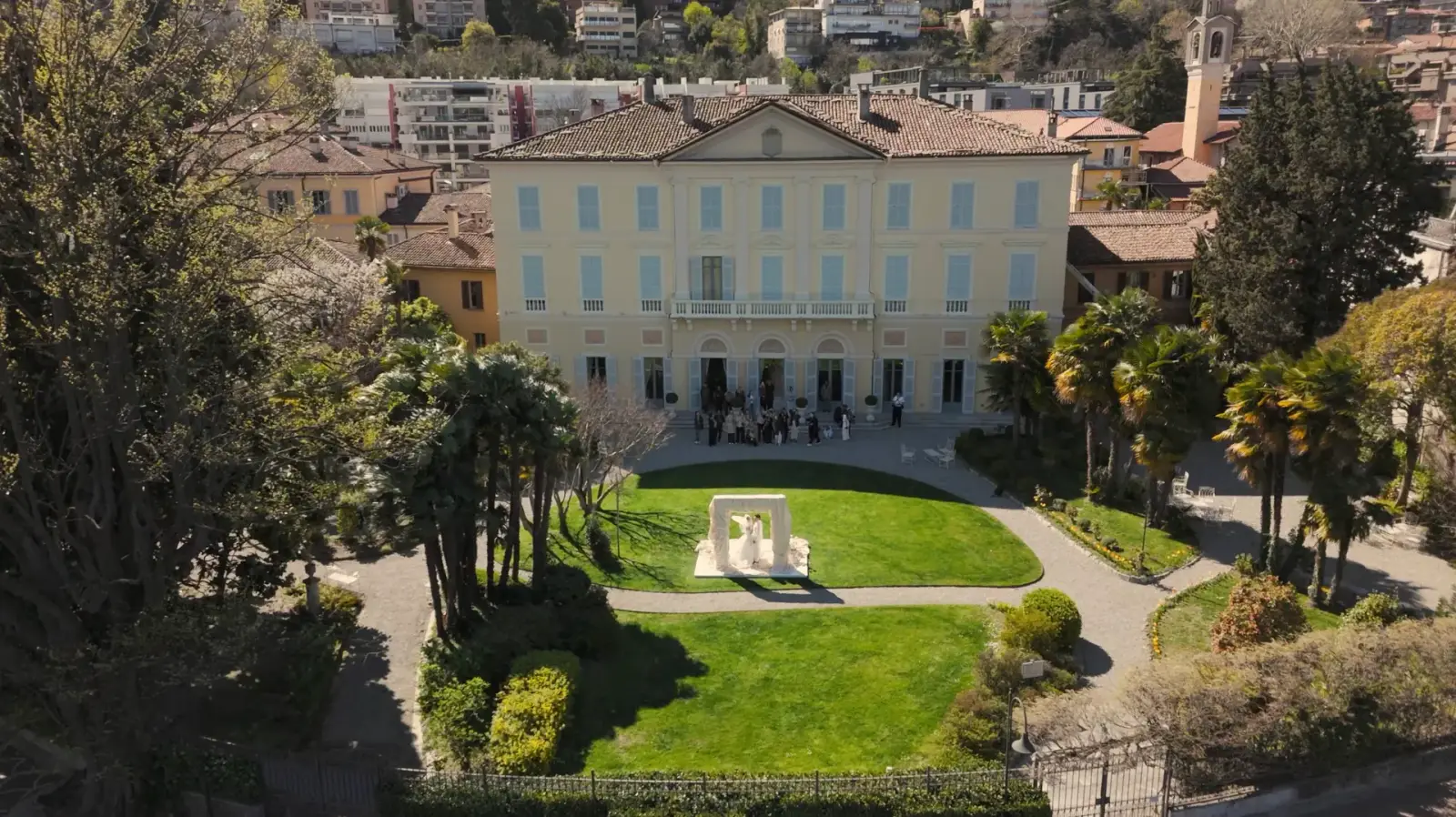
There is a rarer possibility. A small number of private homes have been given the standing to hold the legal act on their own grounds, with no separate visit to a civic building. We understand our estate in Erba, Villa Parravicino Sossnovsky, can host a legally binding civil ceremony, so your ceremony and your marriage may be one and the same, in one place, on one day. Please confirm the current arrangements with us and your planner, as these are reviewed from time to time.
What is a 'Casa Comunale', and how does a villa become one?
A Casa Comunale is an officially recognised place where a civil marriage is legally valid. A municipality can generally extend that status to a private villa or garden, and once it does, a registrar can marry couples there.
In Italy a civil marriage is held in a Casa Comunale, literally the "municipal house", which was historically the town hall. What matters is not the building but the recognition: the town identifies which rooms and grounds count as an official place for the register.
A town can generally extend that recognition beyond its own offices to a particular villa, salon or garden. Once that is in place, a registrar can come to the venue and carry out a marriage there that is as binding as one signed at the town hall.
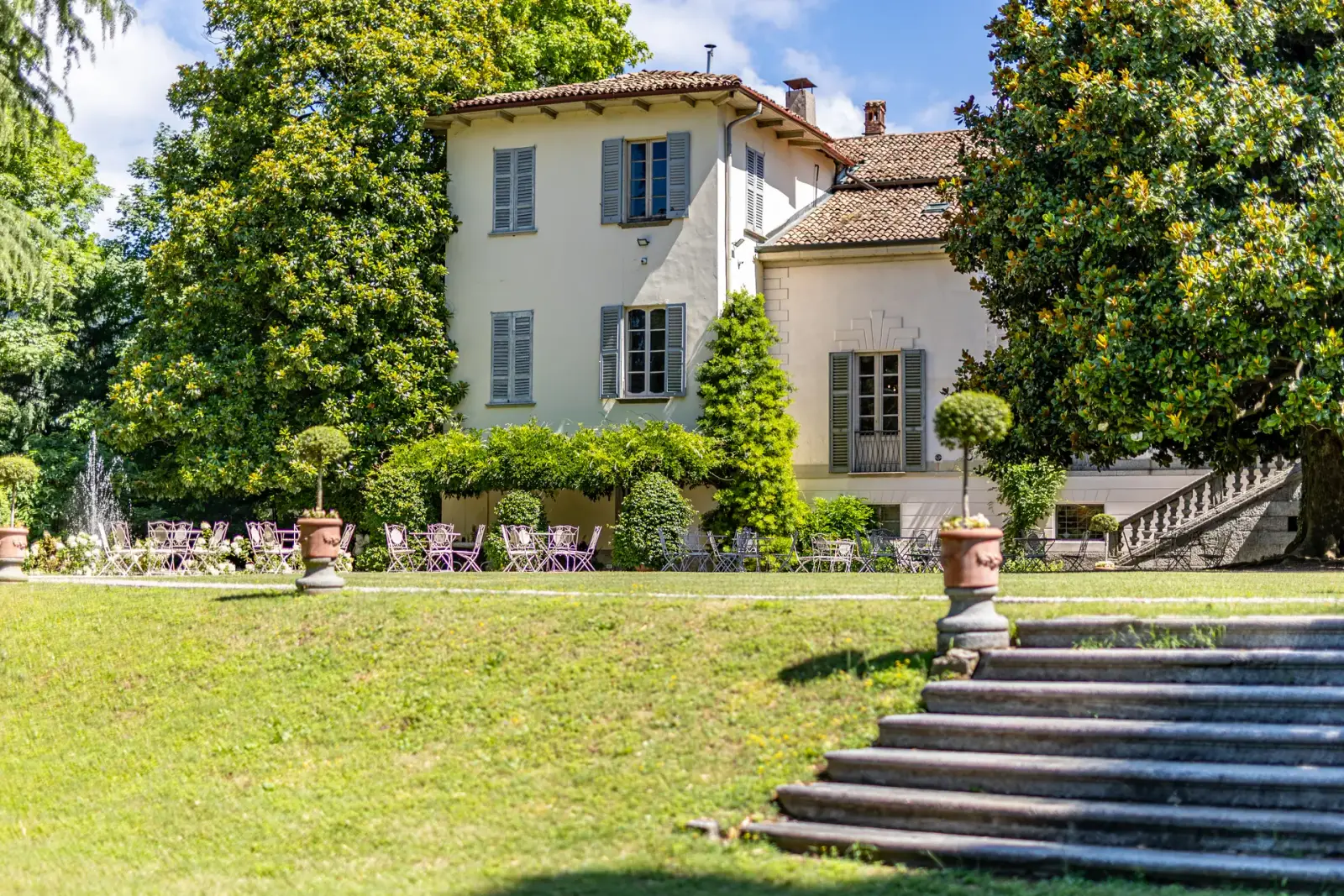
This is what lets us offer what most estates cannot. It removes the town-hall trip, so the room where you exchange vows is the room where you become, in law, married. We understand our estate in Erba can host this; please confirm the current arrangements with us and your planner.
Why do most Italian villa weddings split the ceremony from the legal act?
Because a registrar's authority is tied to places the town has recognised. A venue that has not been authorised can host only a symbolic ceremony, so couples sign the legal act at the Comune and celebrate at the villa.
A registrar cannot marry you just anywhere. Their authority is tied to the official places the town has named. Outside those, they cannot create a valid marriage.
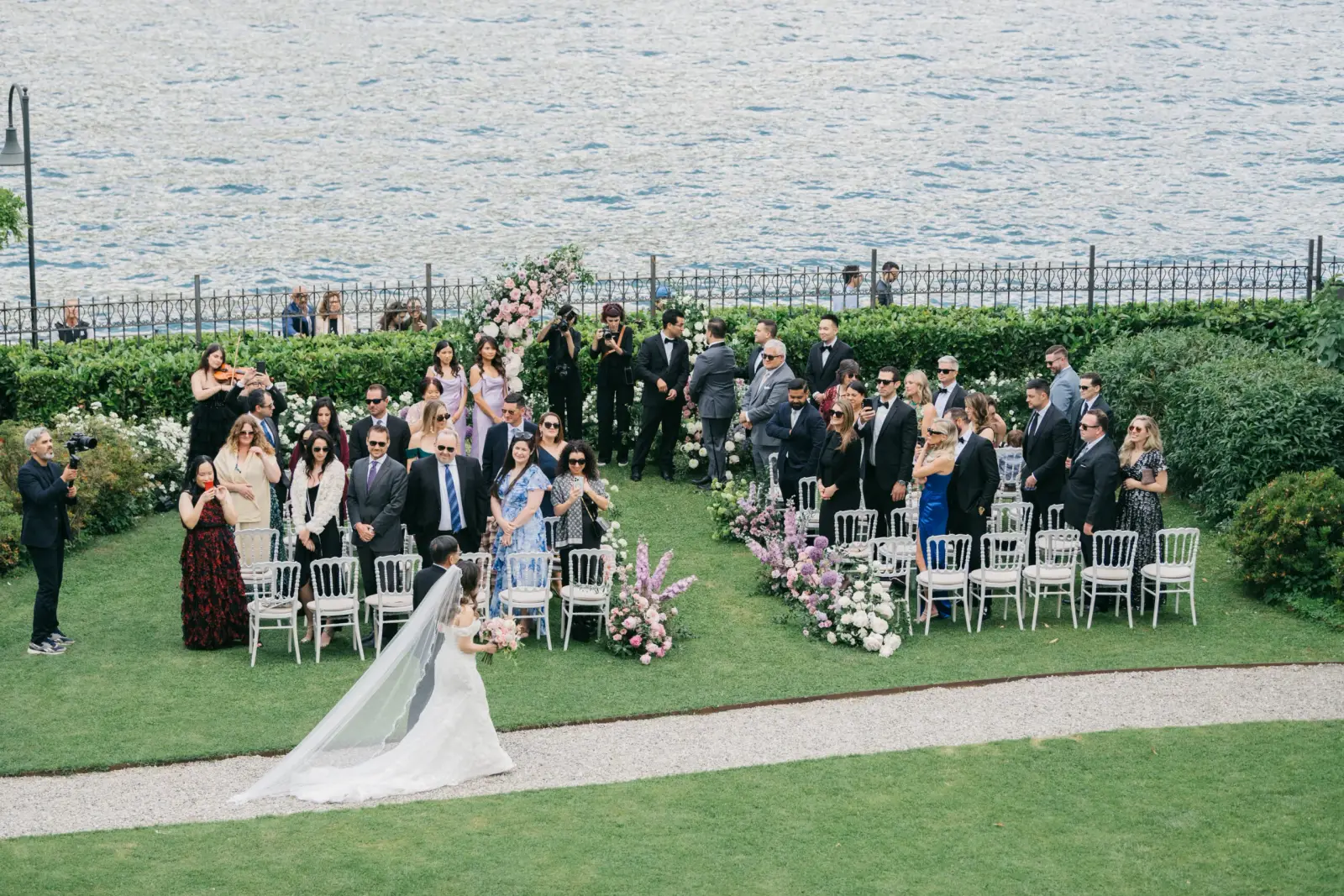
So most couples divide the day, or the week. They sign the civil act at a municipal office, often a short appointment, and then hold the ceremony they have imagined at the villa, where someone leads a symbolic celebration with no legal effect. It works, but it means two ceremonies and two locations.
Where a single authorised setting exists, the celebration is the legal act. That is the main difference between Villa Revel Parravicini and Villa Parravicino Sossnovsky that couples tend to weigh.
What is the difference between a symbolic, civil and religious ceremony?
A symbolic ceremony has no legal value but complete freedom of place and words. A civil ceremony is legally binding, held before an authorised officer and conducted in Italian. A concordat religious ceremony is legally binding once it is recorded with the Comune.
These three are easy to confuse, but the differences shape your day. A symbolic ceremony is pure celebration: you can hold it anywhere, in any language, with any words and any person you choose to lead it, though the state takes no notice of it. A civil ceremony is the marriage in law; it is held in an authorised place, before an official empowered to marry you, and conducted in Italian.
The concordat religious ceremony, the Catholic rite recognised under Italy's concordat, sits in between: held in a church, it becomes legally binding once the parish sends the record to the Comune.
At Villa Revel Parravicini, on Lake Como, we host symbolic ceremonies with full freedom of setting and script. At Villa Parravicino Sossnovsky, we understand you may hold the civil ceremony itself; please confirm current arrangements with us and your planner. We weigh the three side by side in symbolic, civil or religious: which to choose.
Symbolic, civil and religious ceremonies compared
| Ceremony type | Legally binding? | Where it can be held | Language | On-site at the villa? |
|---|---|---|---|---|
| Symbolic | No | Anywhere | Any language | Yes, at either villa |
| Civil | Yes | An authorised civil venue | Italian, with an interpreter if needed | Generally, at Villa Parravicino Sossnovsky |
| Religious (concordat) | Yes, once recorded | A church | Italian | Off-site, in a church |
What paperwork will we need?
The legal documents depend on your nationality and change over time, so we do not list them here. Your wedding planner and your country's consulate in Italy will give you the current requirements; in general, you both prove you are free to marry, with documents translated into Italian.
Every couple's paperwork is a little different, and the rules shift, so we would rather point you to the people who track them than give you a checklist that might be out of date. Your planner and your consulate will set you on the right path, and we are glad to help you sort out the timing once you know what you need.
How many witnesses do we need, and do we need an interpreter?
You will generally need two witnesses, who can be of any nationality, and an interpreter if either of you does not understand Italian. The exact requirements vary, so please confirm them with your planner.
The practical side is more relaxed than many expect. On the day you will usually have two witnesses beside you, and they can be friends or family of any nationality. Because a civil marriage is conducted in Italian, you will typically need an interpreter if either of you does not follow the language.
The details differ from place to place and change over time, so treat this as a general picture rather than a rulebook, and confirm the current requirements with your planner. A well-run planning timeline makes all of this straightforward.
Can same-sex couples marry at a villa in Italy?
Italian law provides for civil unions for same-sex couples, carried out by the same officials as a civil marriage. Arrangements vary, so please confirm on-site availability with us and your planner.
Italian law provides for the unione civile, a civil union for same-sex couples, solemnised by the same officials before the same register as a civil marriage. For many couples marrying from abroad, the day itself feels very close to a civil marriage. The exact rights and details are a matter for the relevant authorities, so please check them with your planner.
We welcome all couples, and we would be glad to talk through how a civil union can be arranged on our estate. We understand it generally can be; please confirm current availability with us and your planner so we can prepare it properly.
Will our Italian marriage be recognised back home?
That depends on your own country's rules, so please confirm recognition with the relevant authorities at home. In general a marriage carried out under Italian law is documented with an Italian certificate you can use abroad.
Whether your marriage is recognised where you live is a question for your own authorities, not for us, so please check it with them before you rely on it. After the wedding you receive an Italian marriage certificate, which can generally be prepared for use with authorities at home.
It is sensible to ask your local authority how they prefer to see the marriage recorded. Once that is done, the day you spent in the hills above Lake Como is the day you were married.
One day, in one place
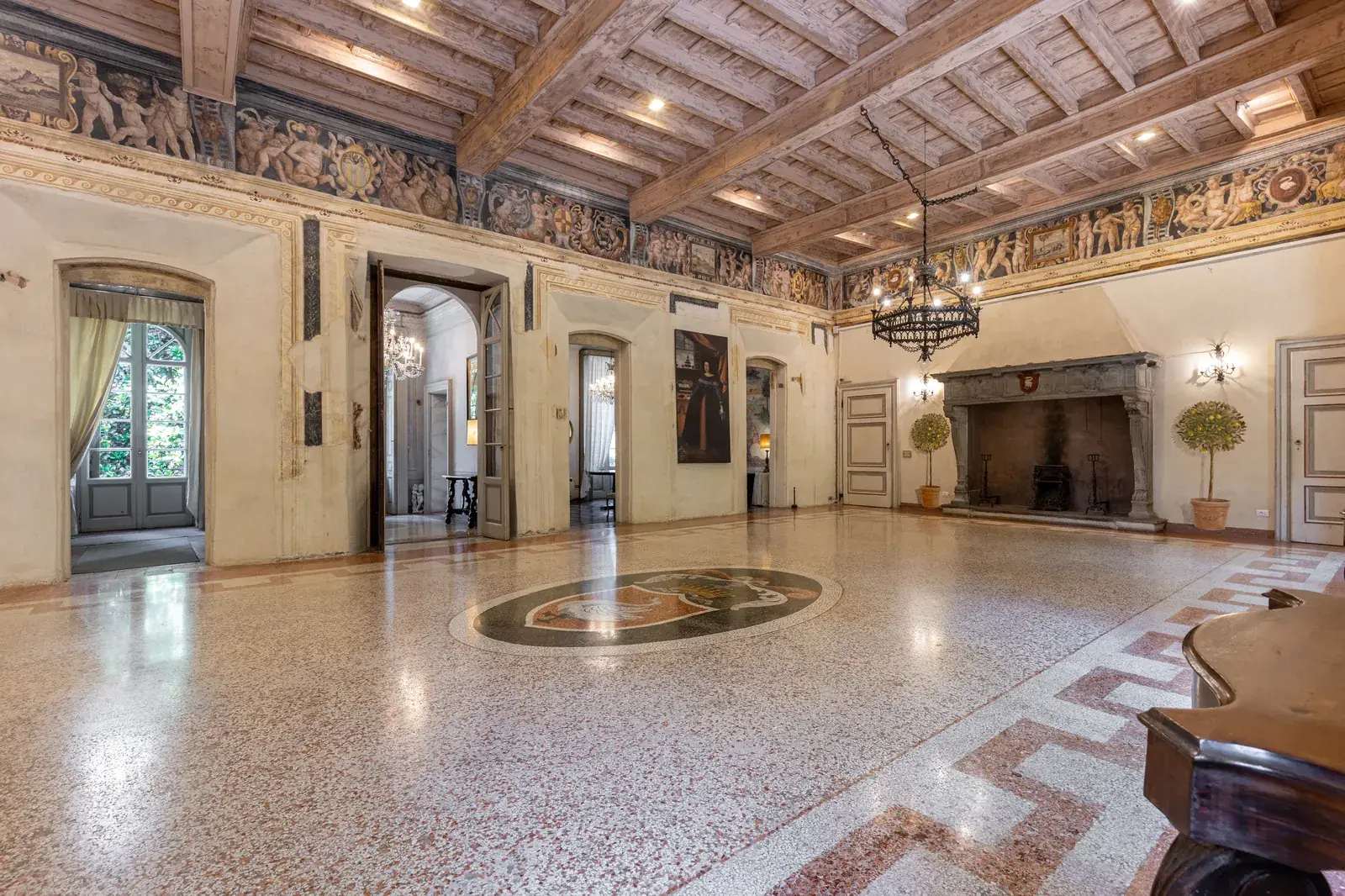
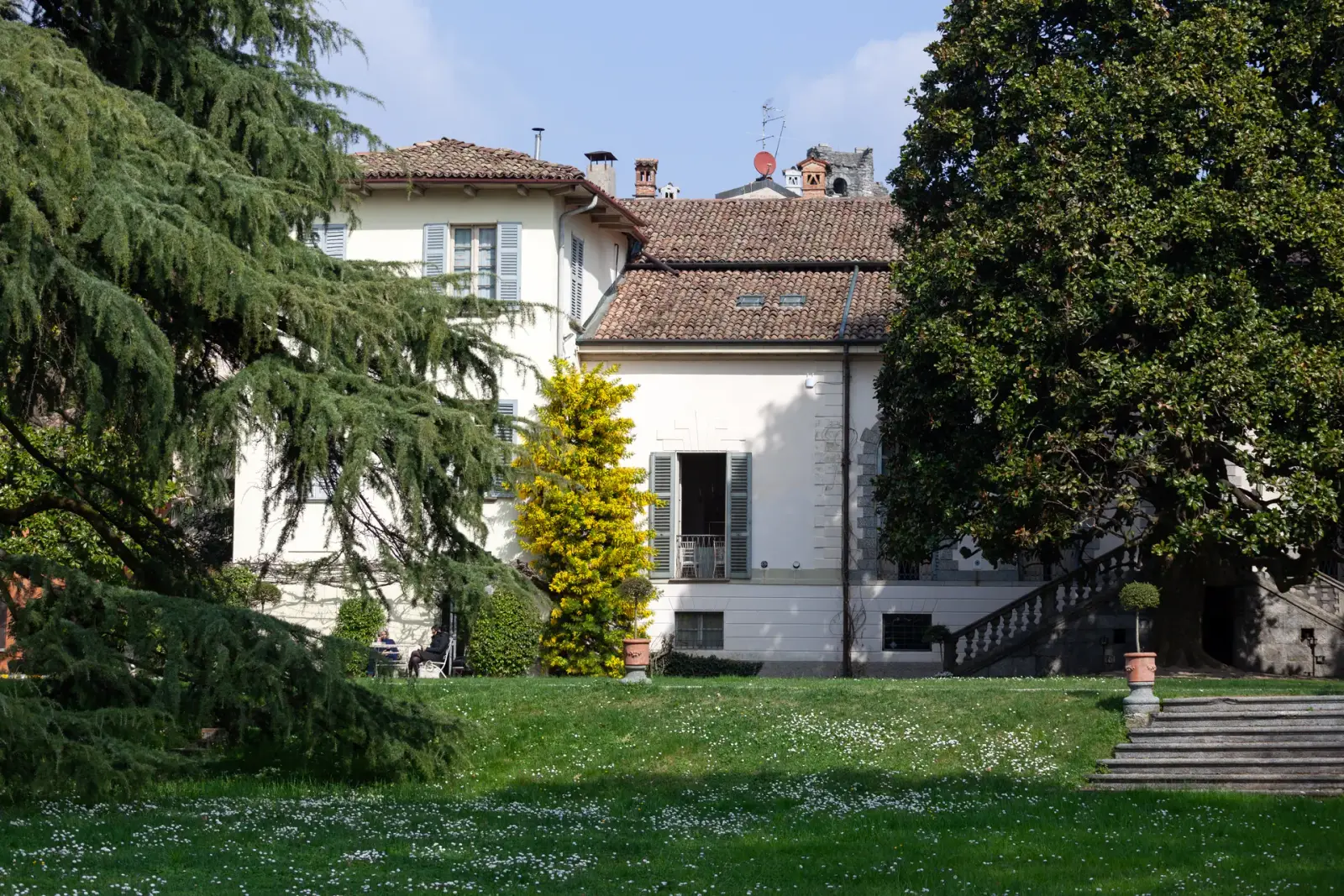
The value of an authorised private home is not paperwork saved; it is that the day holds together. There is no point where the celebration pauses so the real business can be done somewhere else. We understand the vows you speak in the frescoed Grand Salon or the garden can be the vows the state records; please confirm this with us and your planner.
If you are still choosing between the lake and the hills, we set out the full comparison in our guide to Villa Revel or Villa Parravicino, and the practicalities of budget in our note on Lake Como wedding cost. Whichever you choose, we would be glad to help you marry well.